Why Runaway The Label Dresses Feel Cinematic
Wiki Article
Why Runaway The Label Dresses Feel Cinematic
The subtle design decisions that make every piece look like it belongs on screen.
Some dresses photograph well.
Runaway The Label dresses do something rarer —
they feel like moments from a film.
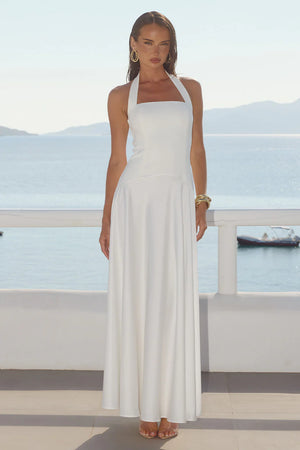
There’s a reason for that.
Their pieces don’t just flatter the body; they create a scene.
They dramatize movement.
They heighten presence.
They give the wearer the sense of stepping into a frame rather than an outfit.
This isn’t accidental — it’s engineered.
1. Their Silhouettes Are Built Like Story Arcs
Most dresses have a predictable shape.
Runaway silhouettes, however, are structured with tension — the same tension a film uses to keep viewers watching.
Think:
a quiet, clean line that suddenly opens into a slit
a soft fabric that reveals a sharp contour
a minimal front with a dramatic back
The body becomes part of the narrative, shifting between restraint and release — the exact rhythm of cinematic storytelling.
2. They Use Movement the Way Movies Use Light
Films rely on motion to create emotion.
Runaway dresses mimic this principle.
Their fabrics are chosen not only for fit, but for motion:
fluid drapes
fabrics that catch wind
cuts that respond to each step
This creates a visual effect similar to a slow-motion scene — subtle, hypnotic, impossible to ignore.
Even in stillness, the dress suggests movement.
Just like a paused movie still holds tension.
3. The Color Palette Is Designed for Impact, Not Noise
Cinematic color isn’t loud — it’s intentional.
Runaway The Label uses tones that photograph strongly, without overwhelming the wearer.
Deep reds, nighttime blacks, soft neutrals, and statement whites give each dress a visual anchor in a scene.
This allows the wearer to become the focal point —
not the architecture, not the environment, not the background.
It’s the same technique filmmakers use to frame a character.
4. Their Minimalism Leaves Space for Emotion
Film costumes often look simple — because simplicity lets emotion do the work.
Runaway follows that rule.
Their dresses leave room for:
mystery
tension
softness
confidence
Minimalism isn’t emptiness; it’s a stage for mood.
And the wearer becomes the story that fills it.
5. They Capture the Heroine Effect
Runaway dresses feel cinematic because they’re built around a fundamental cinematic idea:
The wearer is the protagonist.
Not the accessory.
Not the background presence.
Not the supporting role.
The cuts emphasize the waist, the legs, the spine, the posture — all the areas associated with power, movement, and emotional expression.
You don’t just wear the dress.
You enter it the way an actor enters a character —
with a shift you can feel but can’t fully describe.
6. They Trigger the Psychology of Transformation
Films often hinge on one thing:
when a character transforms, the audience feels it.
Runaway pieces carry that same energy.
Slip one on, and the mood changes:
shoulders straighten
steps sharpen
awareness heightens
confidence surfaces
It’s subtle but unmistakable — a cinematic shift from ordinary self to elevated self.
This is why people describe Runaway dresses as “different.”
They don’t just change your look.
They change your presence.
7. They Turn Everyday Environments into Scenes
A hallway becomes a runway.
A street becomes a shot.
A mirror becomes a still frame.
Runaway pieces interact with surroundings the way film costumes do — they elevate the environment simply by existing within it.
This is what makes their aesthetic feel inherently cinematic:
the dresses don’t just suit the moment; they reshape it.
Runaway The Label dresses feel cinematic because they’re built on principles borrowed from film: movement, tension, framing, transformation, and emotional presence.
Report this wiki page